TY Delegates Demonstrate Leadership and Global Citizenship at DCMUN 2026
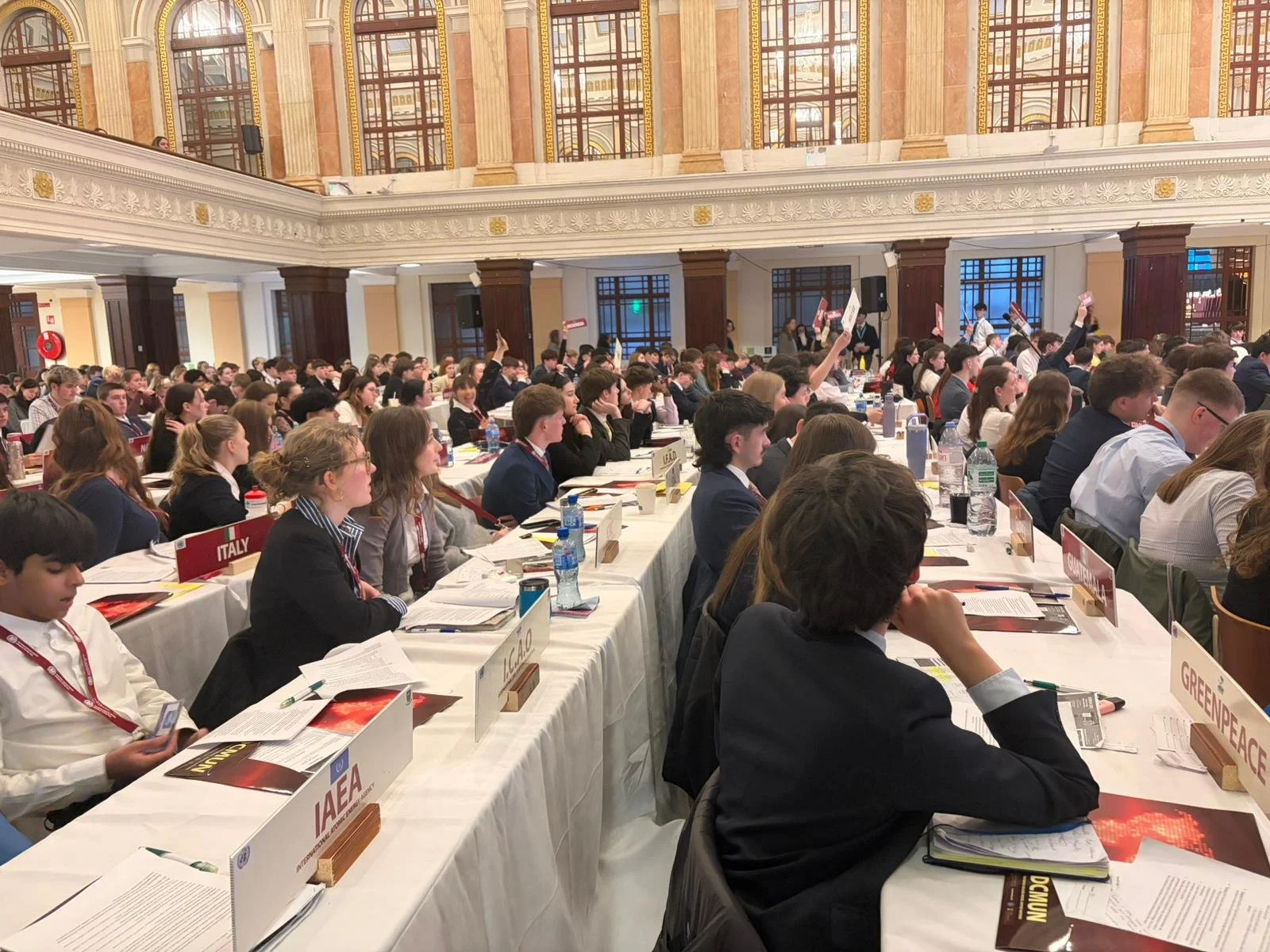
Our Transition Year Model United Nations students are currently taking part in DCMUN 2026, which is being held in Cork City Hall from 20–23 January. The conference brings together students from across the country to debate some of the most complex and pressing global issues facing the international community.
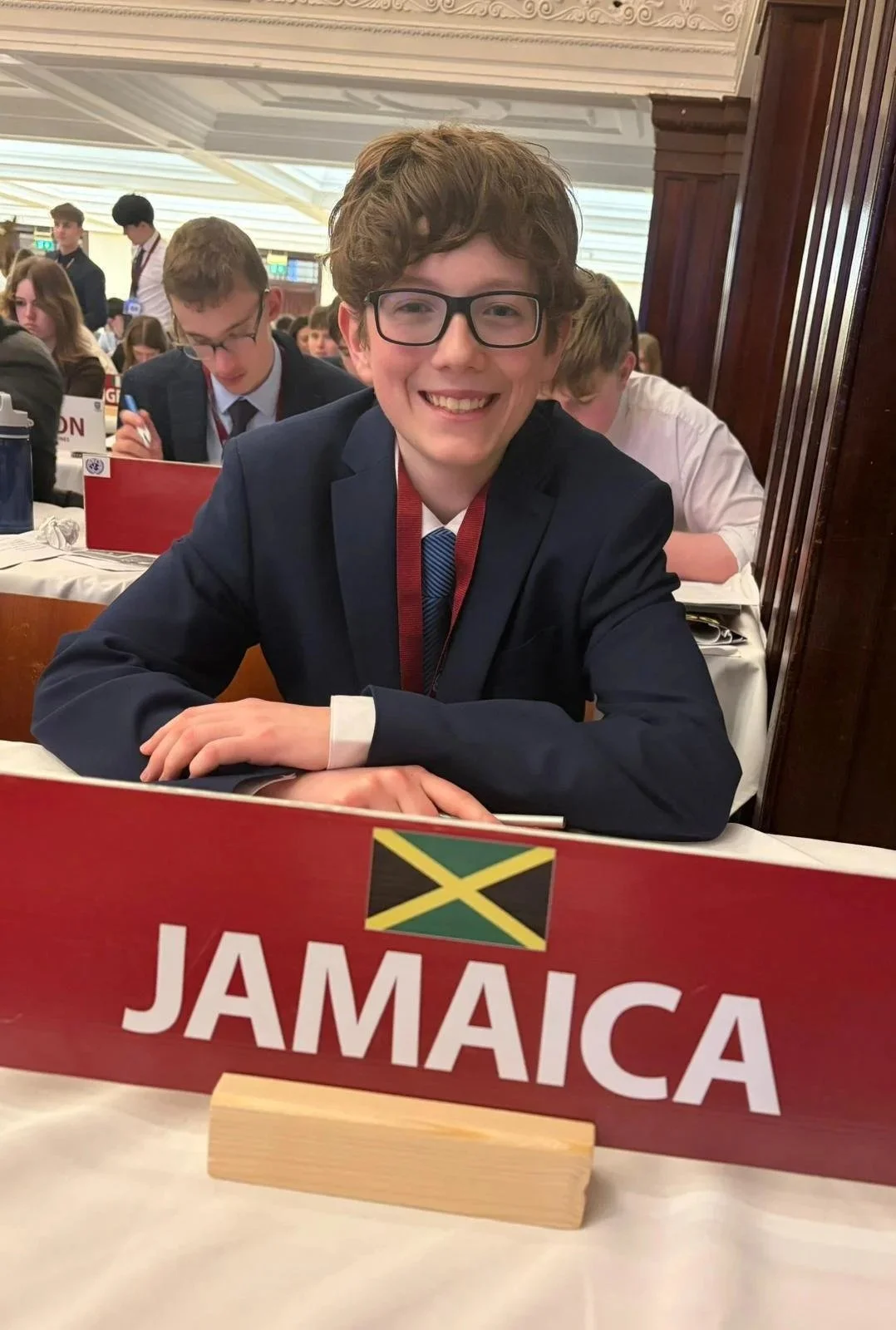
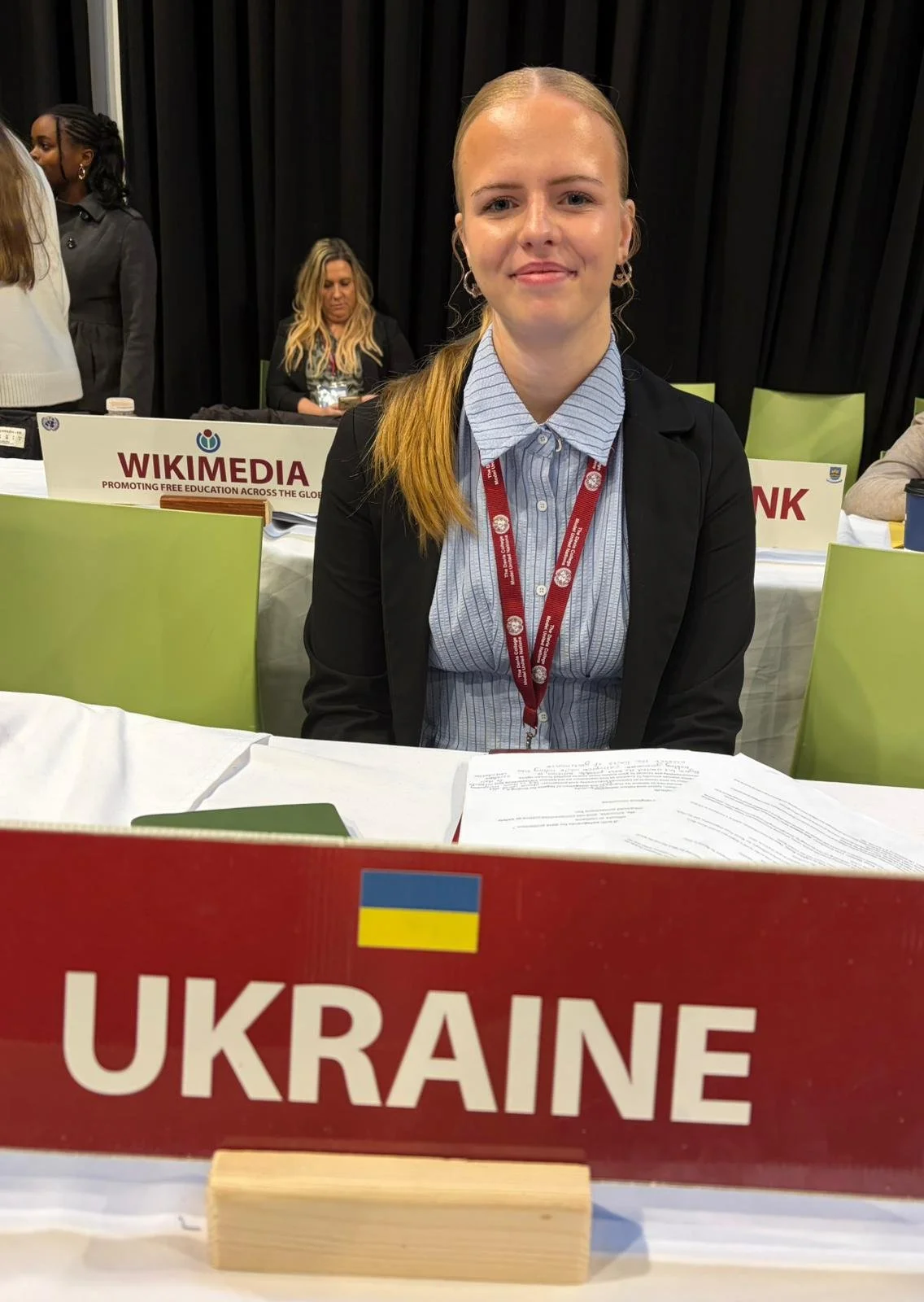
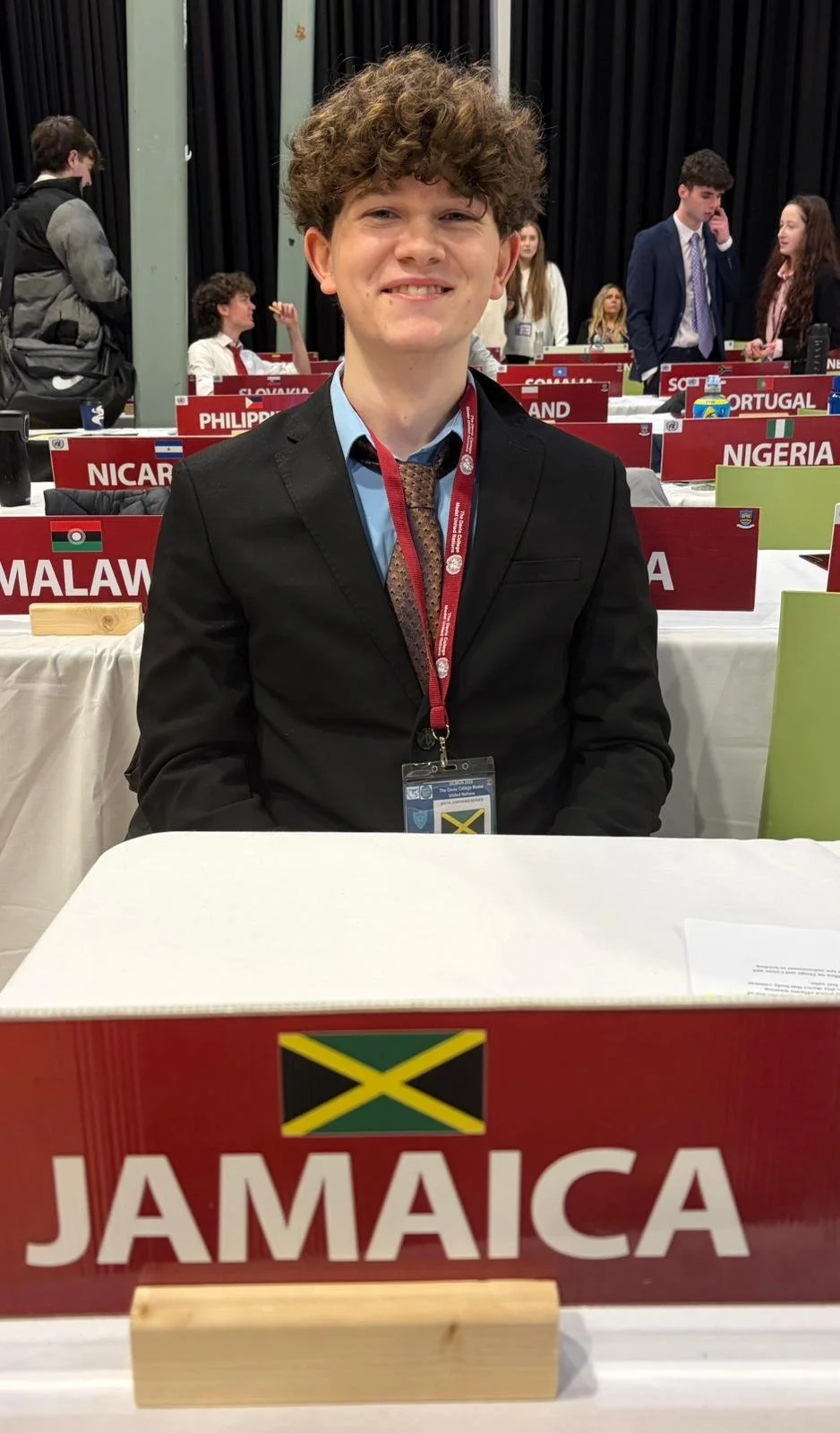
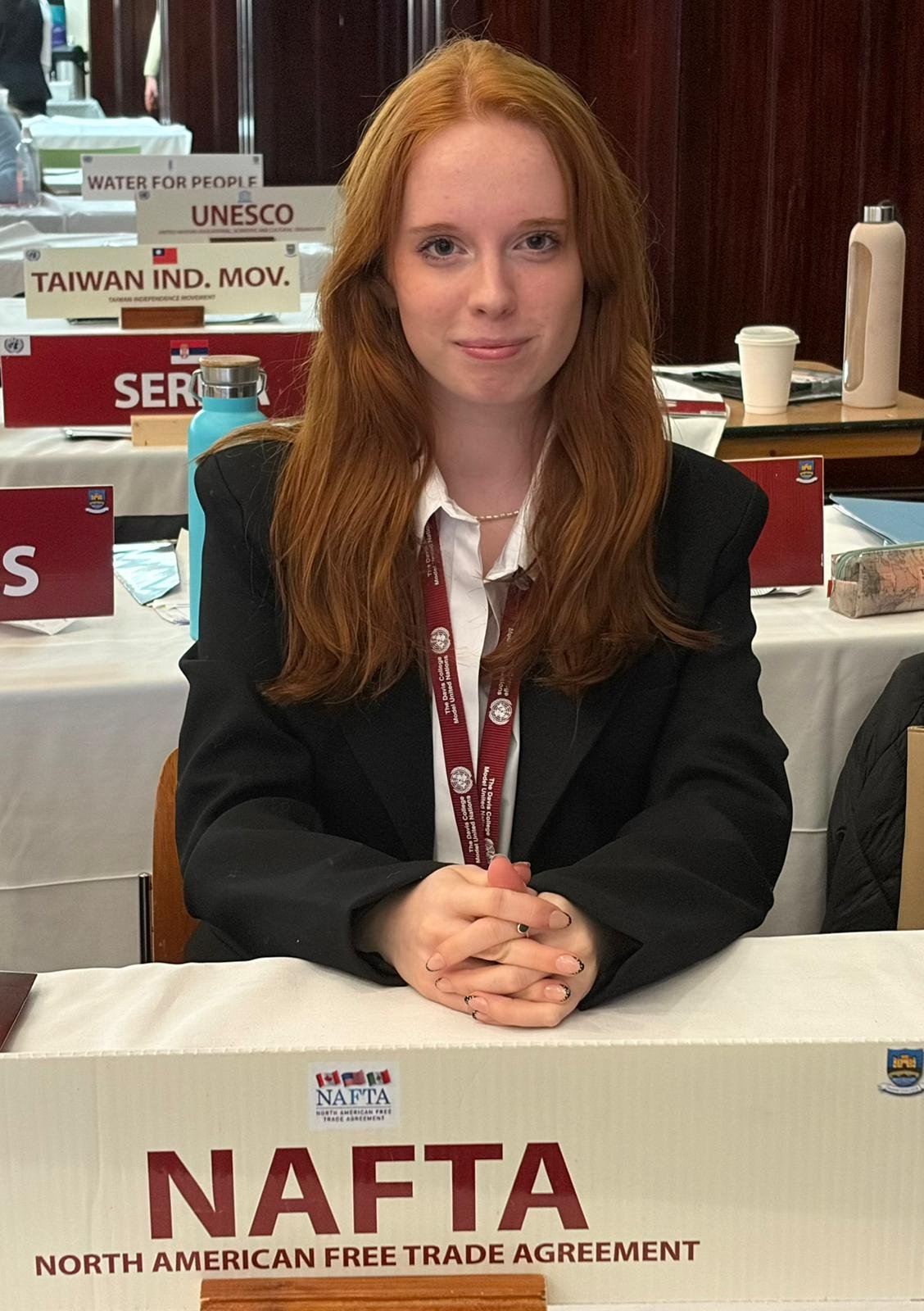
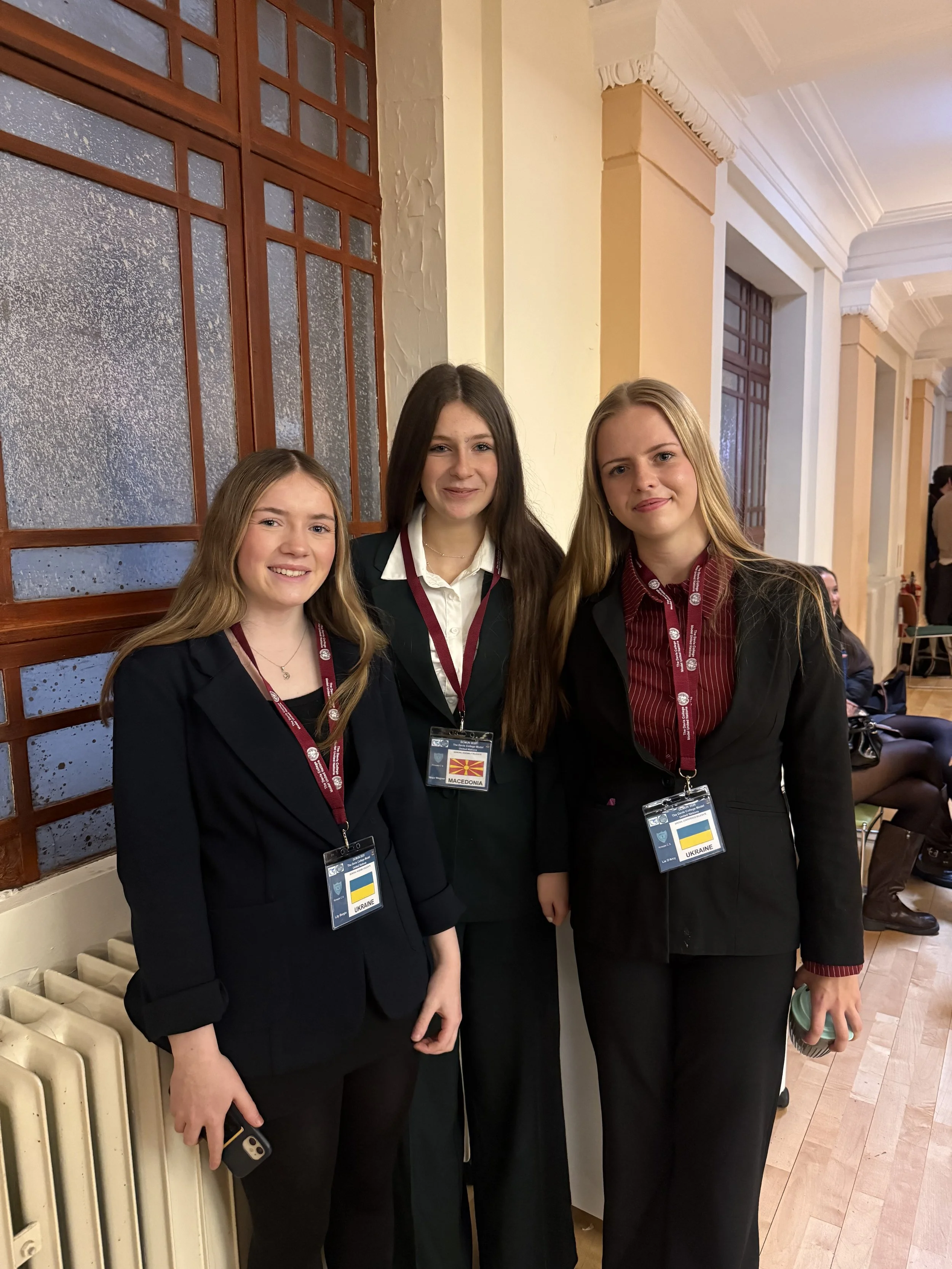
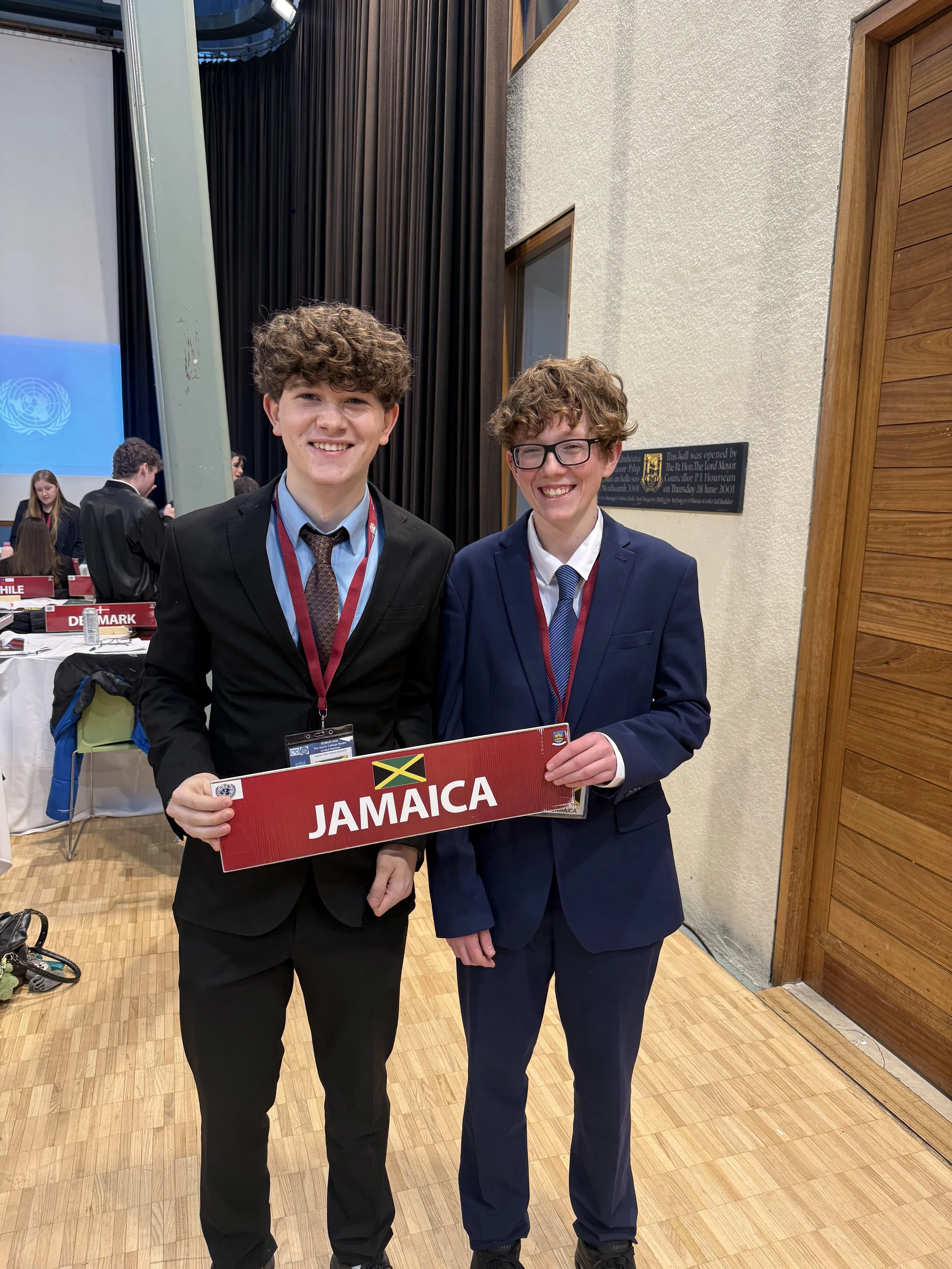
This year, our students are representing a wide range of delegations across both the General Assembly and Special Conference, including Ukraine, Jamaica, the International Committee of the Red Cross, North Macedonia, and NAFTA. Their agenda topics span issues such as climate change, immigration, education in war zones, humanitarian aid, online safety, and global ethics, demanding strong research, diplomacy, and public speaking skills.
A particular highlight of the conference so far has been the confident opening speeches delivered by Enid O’Sullivan and Lia D’Arcy, who are both representing Ukraine—one in the General Assembly and one in the Special Conference. Both students addressed their committees with clarity and authority, setting a strong tone for debate.
Wednesday’s proceedings were further enriched by the presence of several distinguished guests. The Deputy Ambassador of Poland attended the sessions, while the keynote address was delivered by acclaimed author Richard Zimler. Opening speeches were also given by the Lord Mayor of Cork, Councillor Fergal Dennehy, Mr Pat McKelvy, Director of Schools with Cork ETB, and Ms Jennifer Cooney, Officer with WorldWise Global Schools, all of whom highlighted the importance of youth voice, global citizenship, and respectful dialogue.
With one final day remaining, our students continue to represent their delegations with impressive commitment, maturity, and professionalism. Model United Nations demands a wide range of skills, including critical thinking, research, persuasive public speaking, active listening, negotiation, and collaboration. Throughout the conference, students have demonstrated resilience, adaptability, and respect for diverse perspectives while engaging in challenging and often sensitive global debates. As a result of their participation, they will return with a deeper understanding of international relations, increased confidence in their own voice, and a strengthened sense of global citizenship—skills and attributes that will serve them well both in school and far beyond the classroom.